Address
304 North Cardinal St.
Dorchester Center, MA 02124
Work Hours
Monday to Friday: 7AM - 7PM
Weekend: 10AM - 5PM
Address
304 North Cardinal St.
Dorchester Center, MA 02124
Work Hours
Monday to Friday: 7AM - 7PM
Weekend: 10AM - 5PM

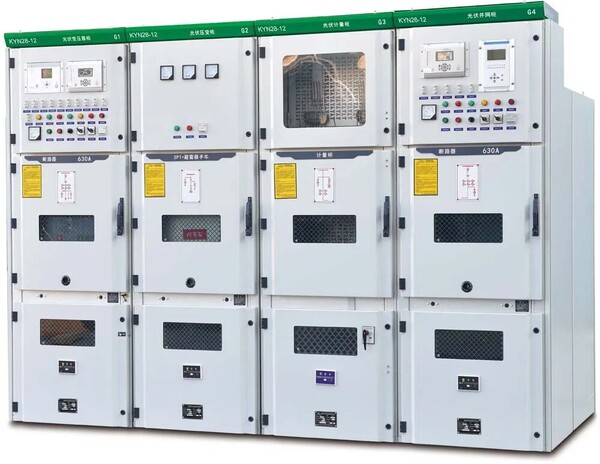
In B2B industrial projects, high-voltage switchgear and low-voltage switchgear are two core power distribution equipment, which are widely used in different scenarios. Many B2B buyers are confused about how to choose between high-voltage and low-voltage switchgear. This article will compare the two types of switchgear from multiple dimensions and give selection suggestions for different industrial scenarios.
1. Core Differences Between High Voltage and Low Voltage Switchgear
| Dimension | High Voltage Switchgear | Low Voltage Switchgear |
| Rated Voltage | Above 1kV (common 12kV, 40.5kV) | Below 1kV (common 0.4kV) |
| Core Function | Power transmission, high-voltage control and protection | Power distribution, low-voltage load control and protection |
| Application Scope | Large substations, industrial plant high-voltage power distribution, power transmission lines | Residential areas, small industrial plants, commercial buildings, terminal equipment power supply |
| Key Requirements | High insulation performance, strong short-circuit breaking capacity, high safety | Compact structure, flexible outgoing line, convenient operation and maintenance |
2. Selection Suggestions for Different Industrial Scenarios
The key to choosing between high-voltage and low-voltage switchgear is to combine the project’s voltage level, load demand and usage scenario. For B2B buyers, it is recommended to communicate with professional manufacturers in advance to get customized selection solutions, so as to avoid mismatched selection and affect project operation.
