Address
304 North Cardinal St.
Dorchester Center, MA 02124
Work Hours
Monday to Friday: 7AM - 7PM
Weekend: 10AM - 5PM
Address
304 North Cardinal St.
Dorchester Center, MA 02124
Work Hours
Monday to Friday: 7AM - 7PM
Weekend: 10AM - 5PM

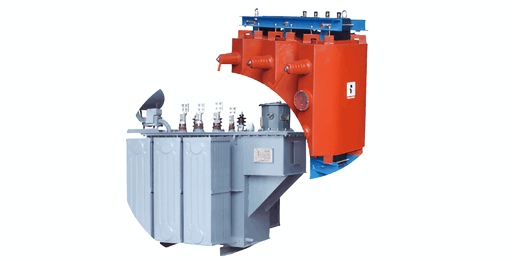
Full comparison between dry-type and oil-immersed transformers. Learn pros, cons, cost, safety, maintenance, best applications, and which to choose in 2026.
When selecting a distribution transformer, buyers often struggle to choose between dry-type and oil-immersed models. Each design has distinct advantages in terms of safety, environment, cost, efficiency, and maintenance.
This article compares the two types in detail and helps you decide which one fits your project. We reference JGELEC’s mature product lines:
Dry-Type vs Oil-Immersed Transformers – Full Comparison
1. Safety Performance
2. Installation Environment
3. Cooling System
4. Maintenance
5. Cost
6. Service Life
7. Energy Efficiency
Modern high-efficiency models from both types perform very well:
Best Applications
Oil-Immersed Transformers (S11-M, S13-M, S20)
Dry-Type Transformers (SC(B)11, SC(B)13, SC(B)H15)
FAQ
Q1: Can oil-immersed transformers be installed indoors?
A: They are not recommended unless equipped with a dedicated fire protection system.
Q2: Which type is more energy-efficient?
A: High-grade oil-immersed transformers (S20) have slightly better full-load efficiency, while dry-type amorphous alloy models (SCH15) excel at low-load conditions.
Q3: Which JGELEC model is best for data centers?
A: SC(B)13 or SC(B)H15 dry-type transformers are highly recommended for fire safety and stability.
Q4: Do dry-type transformers require a separate room?
A: They can be installed in general distribution rooms without additional oil containment measures.
Q5: Which transformer is better for coastal or humid areas?
A: Dry-type transformers are more resistant to moisture and corrosion.
Q6: Can JGELEC provide both types for a large project?
A: Yes, we supply complete solutions combining oil-immersed and dry-type transformers for mixed indoor and outdoor systems.
Call to Action
Choose the right transformer type based on safety, environment, budget, and maintenance capacity. JGELEC provides professional technical support to help you select the optimal solution. Contact us for datasheets, pricing, and customized designs.
