Address
304 North Cardinal St.
Dorchester Center, MA 02124
Work Hours
Monday to Friday: 7AM - 7PM
Weekend: 10AM - 5PM
Address
304 North Cardinal St.
Dorchester Center, MA 02124
Work Hours
Monday to Friday: 7AM - 7PM
Weekend: 10AM - 5PM

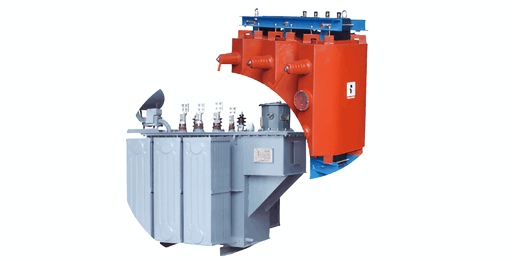
A complete buyer’s guide to choosing the right distribution transformer. Learn about kVA sizing, dry-type vs oil-immersed, voltage, Dyn11 vector group, IEC standards, and FAQs.
Selecting the right distribution transformer is one of the most important decisions for industrial plants, commercial buildings, construction projects, and utility systems. A poorly matched transformer can lead to low efficiency, overheating, frequent breakdowns, unnecessary energy costs, and even safety risks.
Many buyers focus only on price and overlook critical parameters such as load capacity, installation environment, voltage ratio, impedance, vector group, and efficiency level. This guide will walk you through all the essential factors to help you select the ideal transformer for your project. We use real models from JGELEC, including S11-M, S13-M, S20 oil-immersed transformers and SC(B)11, SC(B)13, SC(B)H15 dry-type transformers, to give you practical and actionable advice.
1. Determine Load Requirements and kVA Rating
The first step in transformer selection is calculating your actual power demand. The kVA rating directly determines whether the transformer can handle your load without overload or excessive energy loss.
You should:
Common standard ratings include 400kVA, 630kVA, 800kVA, 1000kVA, 1250kVA, 1600kVA, and 2000kVA.
For heavy industrial applications, JGELEC recommends S13-M or S20 series oil-immersed transformers for high efficiency and stable performance.
2. Choose Between Dry-Type and Oil-Immersed Transformers
Your operating environment will determine which type is more suitable.
Oil-Immersed Transformers (S11-M, S13-M, S20)
Dry-Type Transformers (SC(B)11, SC(B)13, SC(B)H15)
3. Voltage Ratio and Tap Changer Configuration
Most distribution transformers use:
Off-circuit tap changers with ±2×2.5% voltage regulation are standard to compensate for grid voltage fluctuations. This ensures stable output voltage even when the input changes.
4. Vector Group: Dyn11 is the Industry Standard
Dyn11 is the most widely used vector group for industrial and commercial projects because:
Most JGELEC distribution transformers are designed with Dyn11 as the default configuration.
5. Efficiency Standards and Loss Levels
High-efficiency transformers reduce long-term operating costs significantly.
These models comply with IEC 60076, GB/T 10228, and other international standards.
6. Environmental and Installation Conditions
Consider:
FAQ
Q1: Which transformer is better for indoor industrial use?
A: Dry-type cast resin transformers such as JGELEC SC(B)13 and SC(B)H15 are safer, fire-resistant, and more suitable for indoor environments.
Q2: Why is Dyn11 preferred over Yyn0?
A: Dyn11 supports higher unbalanced load, reduces harmonics, and offers better grounding safety.
Q3: How much safety margin should I leave for transformer sizing?
A: A 10%–25% margin is recommended to accommodate load growth and motor starting currents.
Q4: How long does a distribution transformer normally last?
A: Oil-immersed transformers can last 25–30 years; dry-type transformers typically last 20–25 years with proper usage.
Q5: Can JGELEC provide customized voltage and impedance?
A: Yes, we offer customized voltage ratios, impedance values, and protection configurations based on project requirements.
Q6: What is the difference between S13 and S20 transformers?
A: S20 transformers have lower no-load loss and higher energy efficiency than S13, making them ideal for energy-saving projects.
Call to Action
Choosing the right transformer ensures stable power supply, lower energy costs, and higher safety. If you need help with sizing, model selection, or project quotations, contact JGELEC today. Our engineering team will provide professional suggestions, datasheets, and customized solutions for your industrial project.
